


Why SILISKIN?
SILISKIN is a silicone post-treatment technology developed by COP to improve the functionality of silicone parts.
Main objective: to optimize the surface condition to meet real-world uses, particularly in medical and technical applications.
What SILISKIN does:
- adheres to LSR, RTV and HTV silicone surfaces,
- reduces the coefficient of friction,
- improves comfort on contact with the skin,
- limits fouling,
- increases the durability of surfaces.
When post-processing of silicone parts becomes essential
Frequently asked question: Why post-process a silicone part printed in COPSIL 3D ?
Even with silicones suitable for 3D printing, the extrusion process generates:
- deposit streaks,
- a naturally sticky surface.
These characteristics can limit:
- user comfort,
- ease of insertion/removal,
- functional life.
Post-processing is functional before it is aesthetic.
What is SILISKIN?
This is a three-component silicone coating specifically formulated to adhere to silicone surfaces.
How it works:
- applied in a very thin layer,
- thermal cross-linking,
- formation of a flexible, uniform, and durable film.
SILISKIN has many advantages:
- it follows the elasticity of the silicone,
- does not stiffen the part,
- is compatible with silicone 3D printing.
Key technical benefits
| Property | Functional impact |
| Reduced friction | Improved glide, easier placement |
| Soft-touch feel | Comfortable on the skin, non-sticky surface |
| Abrasion resistance | Increased durability |
| Limited dusting | Stable performance in the field |
Examples of SILISKIN applications
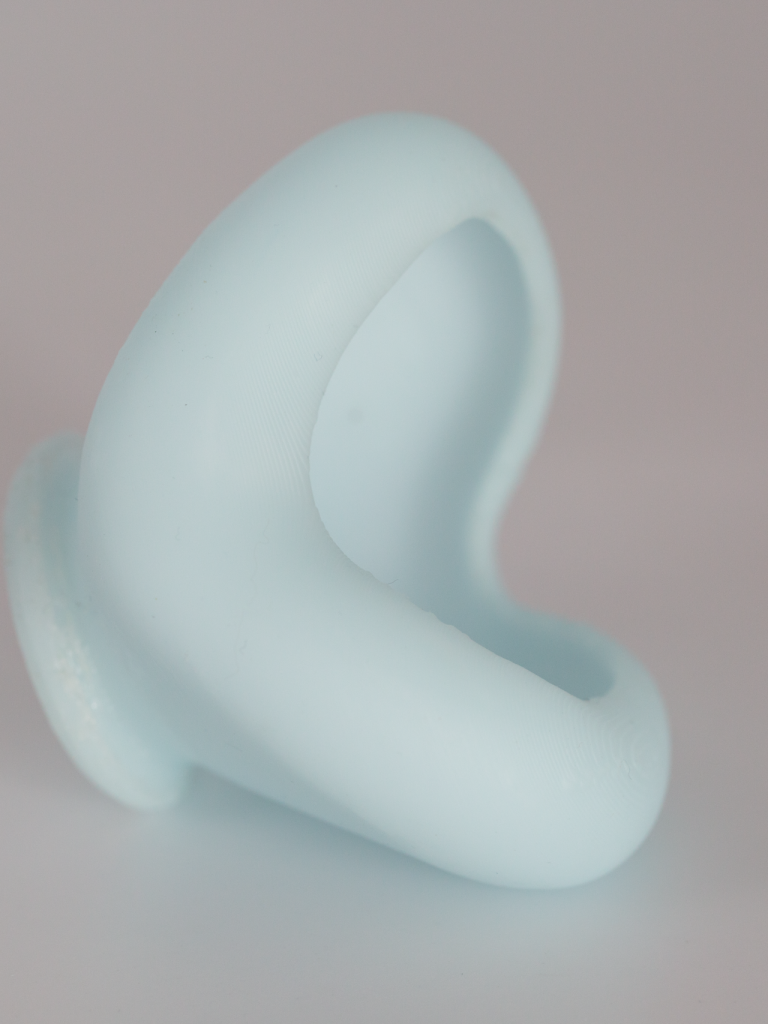
COPSIL 3D silicone respiratory masks
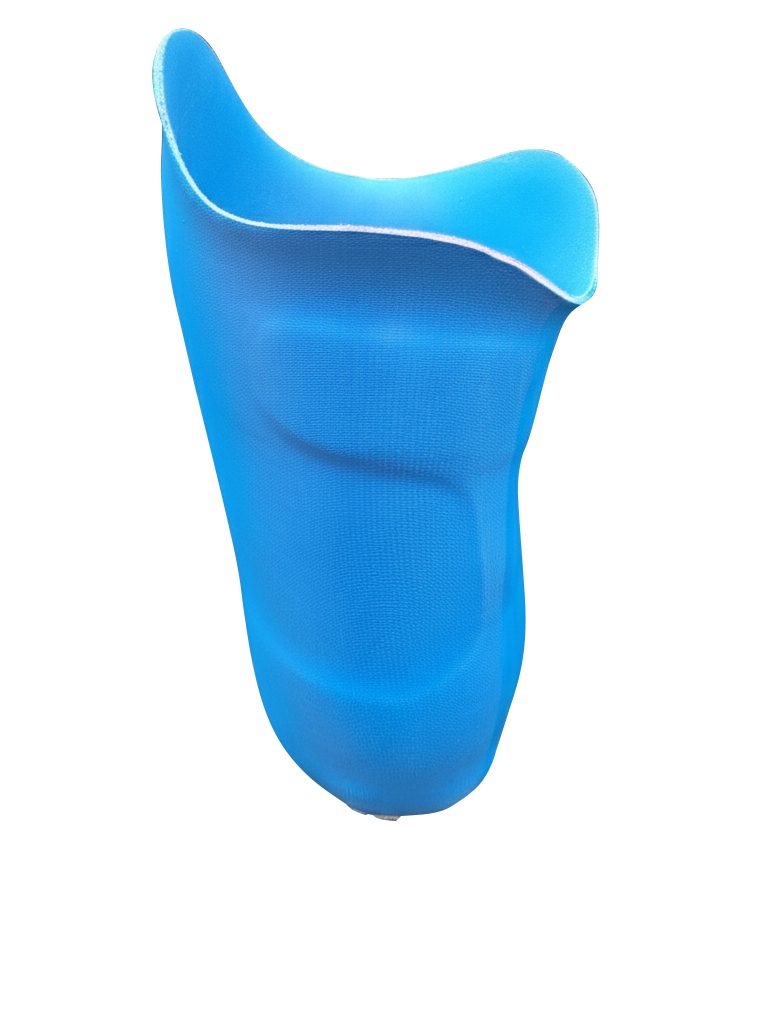
Soft socket made of COPSIL SOCKET
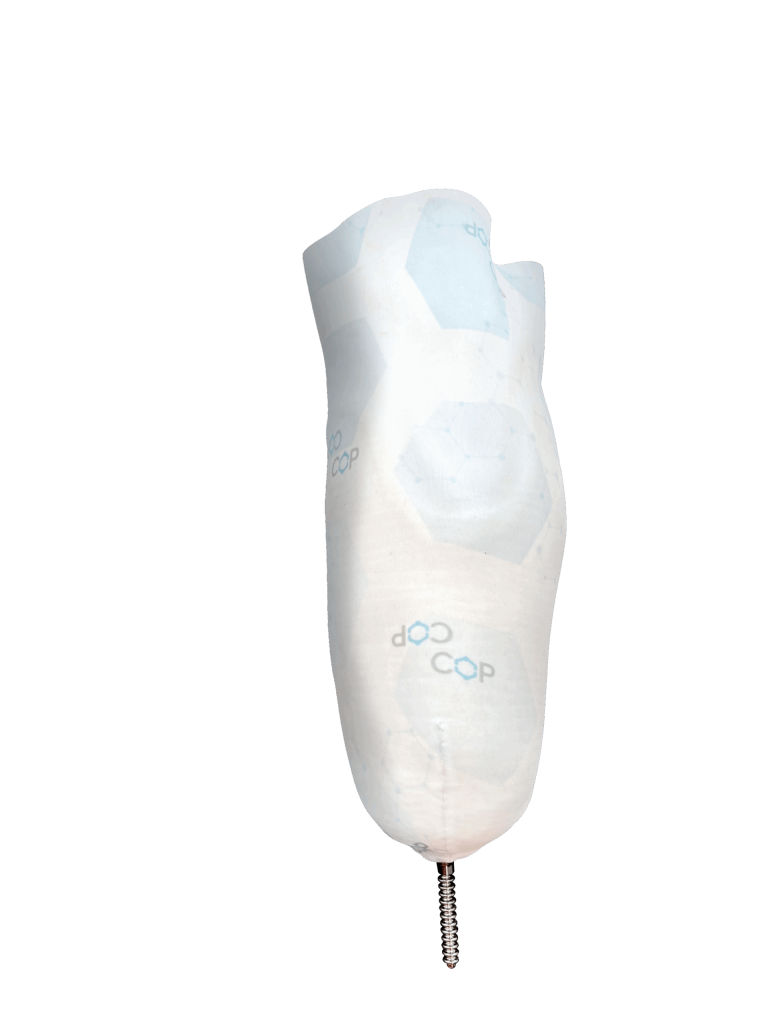
Custom liner with EASYFIT LINER
How can you integrate SILISKIN into your process?
When? After printing and cleaning the part.
Application methods
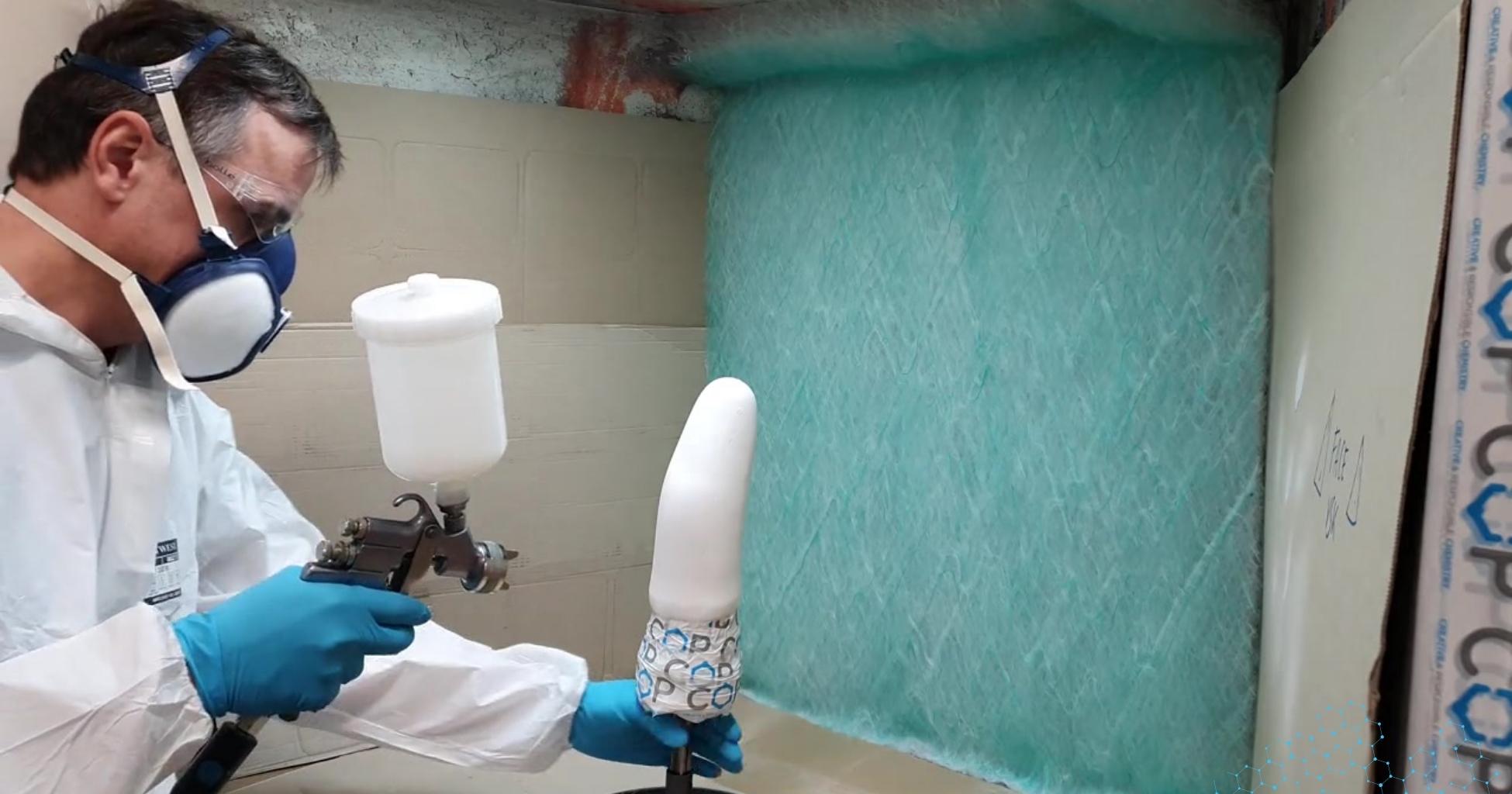
Spraying (recommended)
- Thin, even coat
- Excellent uniformity
- Precise application control
Dipping
- Comprehensive surface treatment
- Uniform application
Localized application (brush)
- Targeted areas
- Thicker layer
The choice depends on the geometry of the part and process constraints.
Field expertise – Lynxter feedback

« In silicone 3D printing, surface finish plays a key role in the comfort and functionality of parts. SILISKIN post-processing removes certain limitations associated with the additive process and achieves a level of finish suitable for medical applications.»
— Lynxter, specialist in silicone 3D printing
Silicone 3D printing compatibility
SILISKIN is compatible with two-component printable silicones, including COPSIL 3D by COP .
It is part of a comprehensive approach:
- material formulation,
- printing process,
- functional post-treatment.
A consistent chain that delivers ultimate performance.
FAQ
Is it compatible with medical applications?
SILISKIN cotaing is designed for applications in contact with the skin in accordance with ISO 10990-5.
Does SILISKIN alter the flexibility of the part?
No. The film is flexible and follows the elasticity of the silicone.
Is it an aesthetic finish?
Coating is primarily a functional treatment geared toward use. However, it also provides a matte finish.
Can only certain areas be treated?
Yes, depending on the application method chosen.